

When it comes to Japanese cuisine, the words hibachi and teppanyaki are often used interchangeably. However, these two styles of cooking are distinct in terms of origins, cooking techniques, ingredients, and the overall dining experience.
This blog will explore the differences between hibachi and teppanyaki, shedding light on what makes each unique and why they’ve both gained popularity worldwide.
Hibachi vs. Tewppanyaki: Origins and History
To understand the difference between hibachi and teppanyaki, it’s helpful to look at their origins and how they evolved into the popular dining styles we know today.
Hibachi
Hibachi, meaning “fire bowl” in Japanese, originally referred to a small, portable device made of metal or ceramic used for heating and cooking. Traditionally, hibachis were filled with charcoal and used to cook food over an open flame. The simplicity and portability of this cooking method made it a popular choice for outdoor meals and street vendors.
In modern times, hibachi-style cooking has evolved, especially in Western countries, where it is often associated with theatrical grilling on an iron hotplate in front of diners, even though this technically resembles teppanyaki.
Teppanyaki
Teppanyaki, which means “grilling on an iron plate” (teppan for iron plate and yaki for grilled or pan-fried), originated in Japan in the mid-20th century. It was first popularized by the restaurant chain Misono in 1945, which introduced it as a method of cooking Western-inspired meals on a flat iron grill.
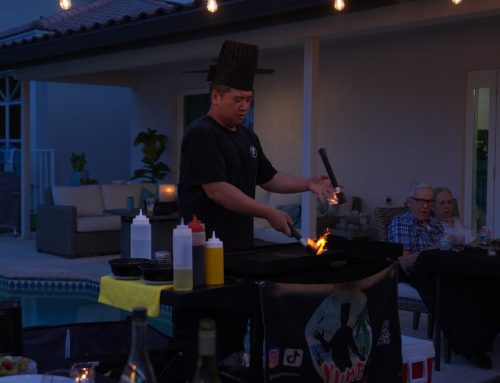
The concept of teppanyaki quickly became a dining spectacle, where the chef prepares food with skillful showmanship right in front of the guests. Teppanyaki’s focus on entertainment, along with its unique flavors, made it a hit, particularly among Western audiences.
Cooking Techniques
The way food is prepared and cooked in hibachi and teppanyaki plays a big role in distinguishing the two. Each method brings out different textures and flavors, creating a unique culinary experience.
Hibachi
In the traditional sense, hibachi cooking involves grilling over an open flame. The grill is often circular, and the heat source is typically charcoal. Hibachi-style cooking imparts a smokier, charred flavor to the food, similar to barbecue. Vegetables, meats, and seafood are all popular ingredients in hibachi cooking, with simple seasonings like soy sauce, garlic, and sesame oil used to enhance the natural flavors. The high heat of the grill gives food a distinct sear, locking in the juices.
Teppanyaki
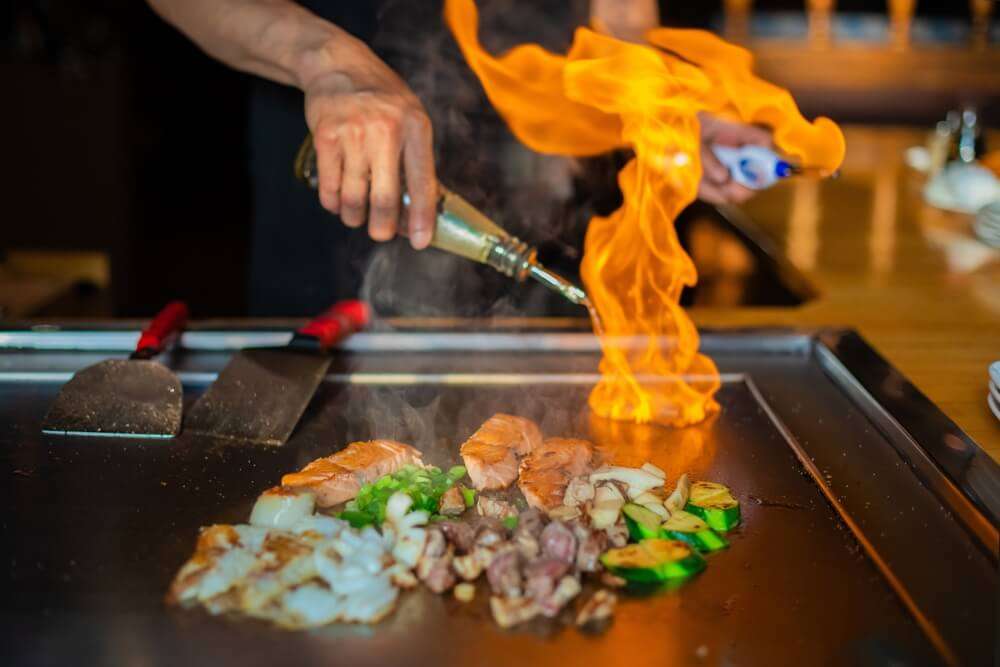
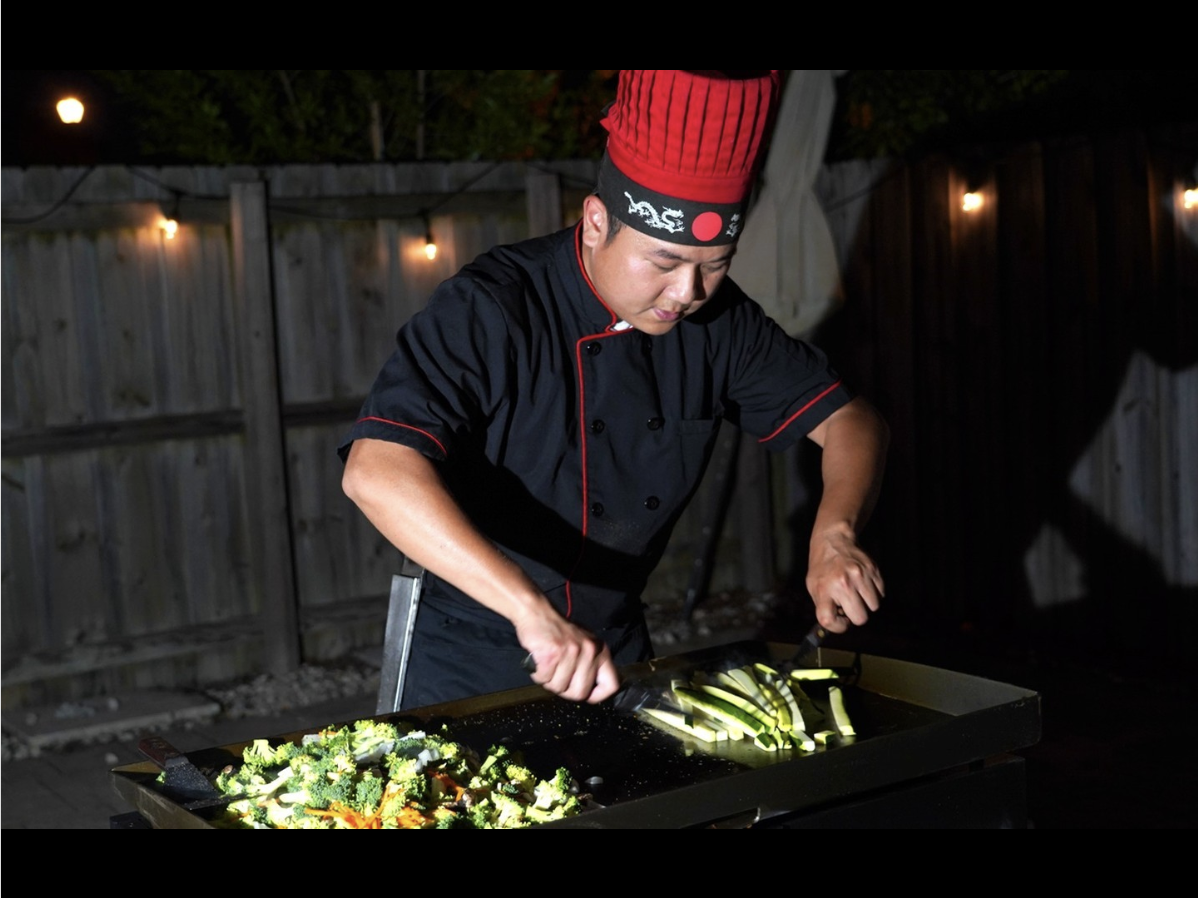
Teppanyaki cooking is done on a flat, solid iron skillet that is heated evenly. The focus is more on precision than the smoky char that hibachi offers. Ingredients are chopped into bite-sized pieces and cooked quickly on the grill with oils, sauces, and seasoning. Teppanyaki chefs often perform acrobatics while cooking, such as flipping shrimp or making a flaming onion volcano, adding an element of entertainment to the meal. The even heat distribution of the iron plate allows for more control over the cooking process, ensuring that everything is cooked to perfection.
Ingredients and Dishes
Although both hibachi and teppanyaki use similar ingredients like meats, vegetables, and seafood, the way they are prepared and seasoned creates a different taste and presentation.
Hibachi
Hibachi dishes often feature grilled meats like chicken, beef, and shrimp, as well as vegetables like zucchini, mushrooms, and onions. Since the cooking style centers around open-flame grilling, the ingredients develop a deep, smoky flavor. The food is usually seasoned simply with soy sauce, salt, and pepper, allowing the grill’s natural charm to stand out. Popular dishes include hibachi steak, shrimp, and fried rice, which are often cooked on the same grill for added flavor.
Teppanyaki
Teppanyaki also uses a variety of meats, seafood, and vegetables, but the key difference lies in the way the ingredients are handled. Teppanyaki chefs will often incorporate butter, garlic, and soy sauce as they cook, creating a rich and savory flavor profile. The use of precise knife skills to chop ingredients adds to the texture and presentation of the dishes. Common teppanyaki meals include grilled beef tenderloin, lobster, and scallops, with sides of stir-fried vegetables and fried rice.
Presentation and Dining Experience
Perhaps the most noticeable difference between hibachi and teppanyaki is in how the meal is presented and the overall dining experience.
Hibachi
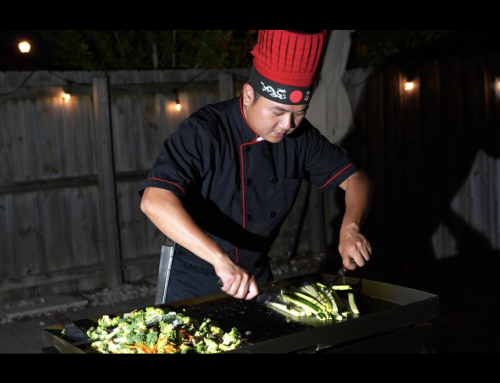
Hibachi dining focuses on communal grilling, where the chef prepares the meal on a large, open grill. In traditional hibachi settings, this could be an outdoor event or a group gathering where guests enjoy food hot off the grill. In more modern, restaurant-style settings, the chef might still prepare the food in front of guests, but the focus is more on the taste of the food than on performance. Hibachi chefs generally keep it simple, focusing on delivering flavorful grilled dishes with minimal theatrics.
Teppanyaki
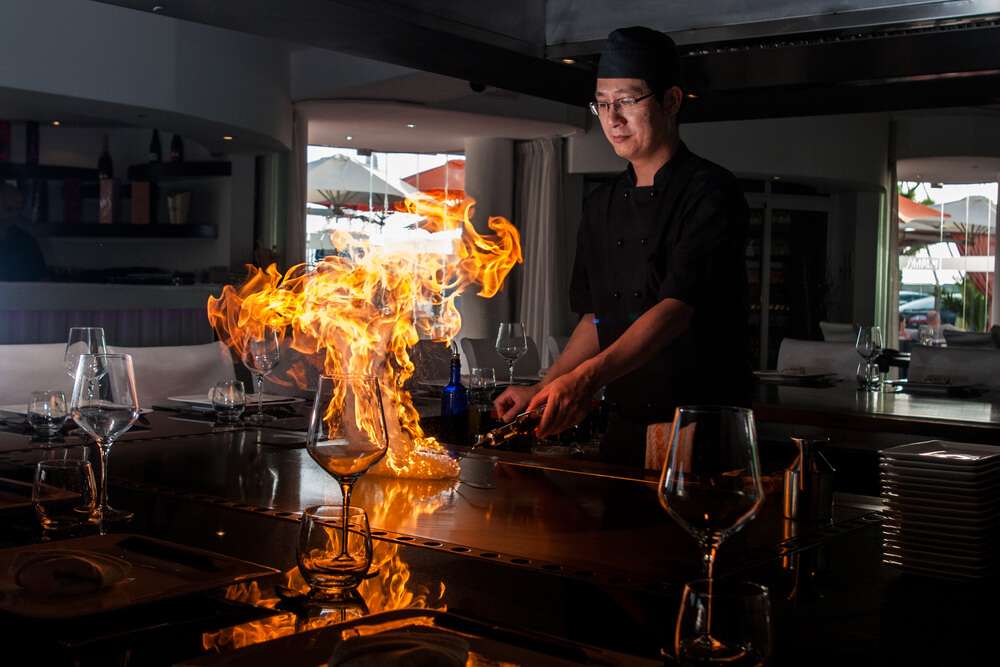
Teppanyaki dining is designed to be a full sensory experience. Chefs often engage with diners while preparing the meal, performing tricks such as flipping food into the air or lighting it on fire. The dining experience is interactive and meant to entertain, which has made teppanyaki popular for group outings or special occasions. The precision and flair with which the chef cooks are part of the appeal, and the dishes are presented with attention to detail, often beautifully arranged on the plate.
Experience Japanese Cuisine
Both hibachi and teppanyaki offer a delicious way to enjoy Japanese cuisine, though their cooking techniques, flavors, and dining experiences are distinct.
If you’re eager to experience authentic hibachi dining, Hibachi Yume provides a range of flavorful hibachi dishes that are sure to satisfy you. Contact us today to enjoy the rich flavors and lively atmosphere of traditional Japanese grilling!




Leave A Comment