

When you think of hibachi, you likely imagine skilled chefs flipping shrimp, lighting onion volcanoes, and creating dazzling culinary performances on a sizzling grill. But this entertaining dining style often leads to a common question: Is hibachi Chinese or Japanese? The short answer is that hibachi originates from Japan, but its modern interpretations have added unique twists that blur the lines for many diners.
To truly understand hibachi, it’s essential to explore its origins, the types of food it encompasses, and how it differs between Japanese and American styles.
What Type of Food Is Hibachi?
Hibachi refers to both a style of cooking and the equipment used. Traditionally, “hibachi” (which translates to “fire bowl” in Japanese) is a small, portable grill with an open flame. In Japan, it was historically used for heating rather than cooking. Over time, the term means a cooking style where meats, seafood, and vegetables are grilled on an open flame or hot griddle.
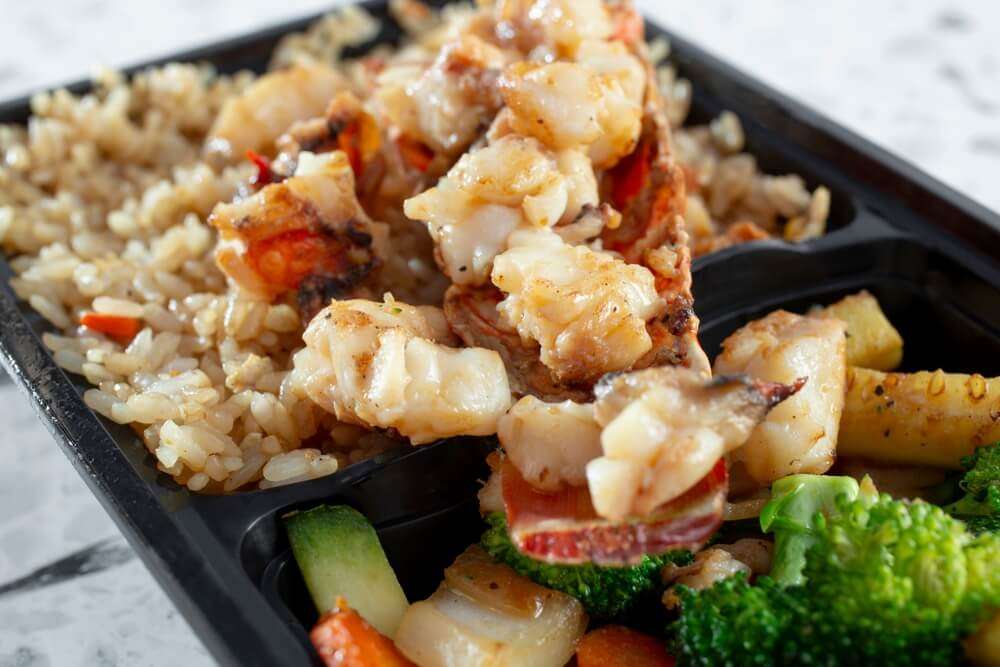
So, what type of food is hibachi? Authentic hibachi cuisine features simple, fresh ingredients seasoned lightly with soy sauce, mirin, and other traditional Japanese condiments to enhance natural flavors. Popular dishes include grilled chicken, shrimp, steak, and a variety of vegetables such as zucchini, onions, and mushrooms, often served with rice or noodles.
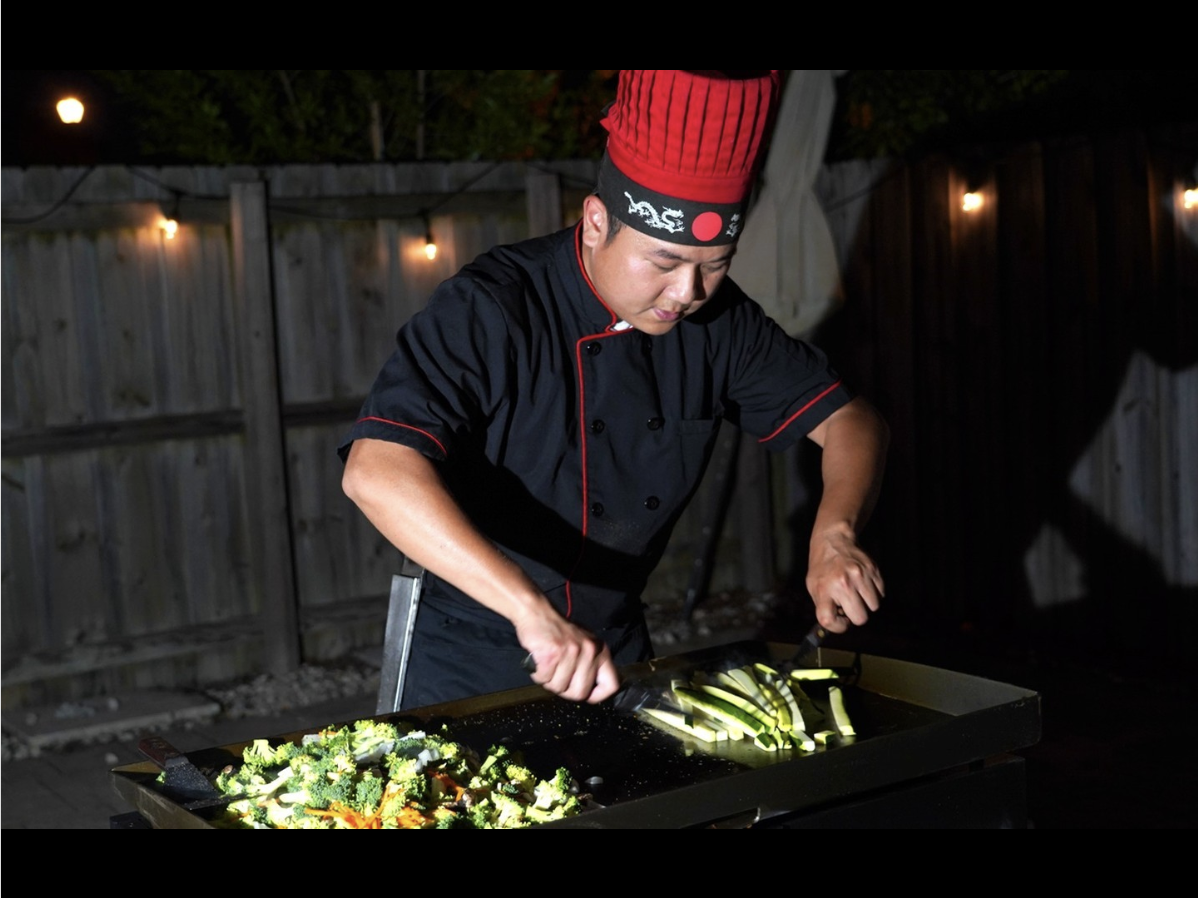
In the U.S., however, hibachi has evolved. It is associated with teppanyaki, a theatrical cooking style on a flat iron griddle, where chefs prepare meals and entertain guests with tricks and flair. This American interpretation introduces richer sauces, fried rice, and butter-based flavors that are less common in traditional Japanese hibachi.
Japanese Hibachi vs. American Hibachi
To answer, “Is hibachi Japanese food?”, we need to examine the distinctions between traditional Japanese hibachi and its American counterpart.
Japanese Hibachi
In Japan, authentic hibachi cooking is simpler and focuses on the natural flavors of the ingredients. The grills used are often smaller and emphasize a more subtle, intimate dining experience. This method is often enjoyed at home or in small, local eateries rather than elaborate restaurant settings.
American Hibachi
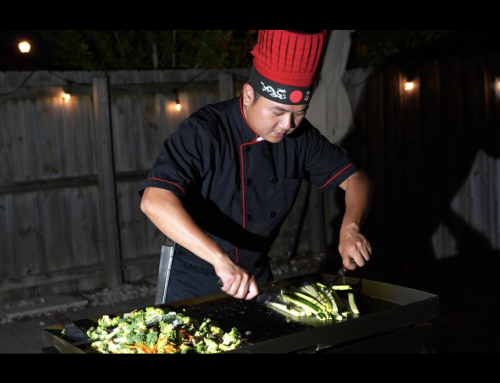
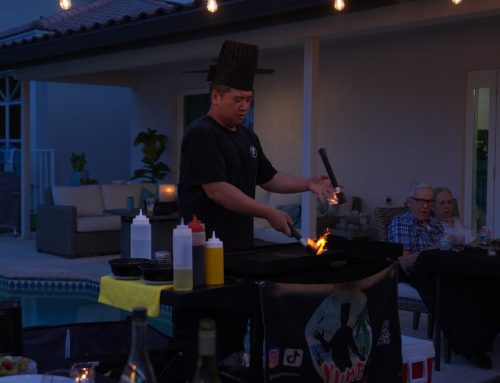
In the United States, what is often referred to as “hibachi” is more accurately teppanyaki. This style is heavily influenced by Japanese cooking but tailored to American tastes. Teppanyaki restaurants feature large, flat griddles where chefs perform for guests while cooking. The focus shifts from simplicity to showmanship, with dramatic knife skills, flame tricks, and bold flavors. American hibachi frequently incorporates ingredients like garlic butter and teriyaki sauce, adding a rich twist to traditional recipes.
This distinction explains why many wonder, “Is hibachi Chinese food?” The answer lies in its Japanese roots. However, the influence of other cultures on American hibachi has led to the inclusion of non-traditional flavors and techniques, further complicating its identity for some diners.
Experience Hibachi with Us
So, is hibachi Chinese or Japanese? The unequivocal answer is Japanese. Hibachi has its roots in Japan, reflecting the country’s culinary philosophy of simplicity and respect for natural flavors. However, the American adaptation of hibachi introduces bold sauces, entertaining theatrics, and a fusion of flavors that has created a unique dining experience loved by many.
If you’re eager to experience authentic hibachi dining, Hibachi Yume provides a range of flavorful hibachi dishes that are sure to satisfy. Contact us today to enjoy the rich flavors and lively atmosphere of traditional Japanese grilling!




Leave A Comment