


Hibachi, a popular and engaging style of Japanese cuisine, offers diners more than just a meal—it’s an experience. Originating in Japan centuries ago, hibachi cooking has evolved into a modern culinary adventure, combining the art of traditional grilling with contemporary techniques and entertainment.
In this blog, we’ll explore the rich history of hibachi and delve into its cultural significance. Join us as we journey through the flavors, theatrics, and traditions that define hibachi cooking.
Exploring the Meaning and the Origins of Hibachi
Hibachi is more than just a cooking method. It is a cultural experience that has evolved over centuries. But what does hibachi mean? The word “hibachi” literally translates to “fire bowl,” a nod to its origins as a simple heating device in ancient Japan. These small, portable heaters were used for warmth and later adapted for cooking, transforming into the dynamic culinary tradition we know today.
The hibachi history of cooking dates back to the Heian period (794-1185). Originally, it was a practical way for Japanese households to cook food and stay warm during cold winters. Over time, this technique made its way into restaurants, becoming a staple in Japanese cuisine. The evolution of hibachi reflects a blend of practicality and artistry, capturing the essence of Japanese culture.
Traditional Hibachi Equipment

Traditional hibachi equipment is a fascinating blend of simplicity and functionality. The original hibachi grills were humble, made from cast iron or ceramic, and designed to hold burning charcoal. This setup provided a consistent and controlled heat source, perfect for cooking various dishes.
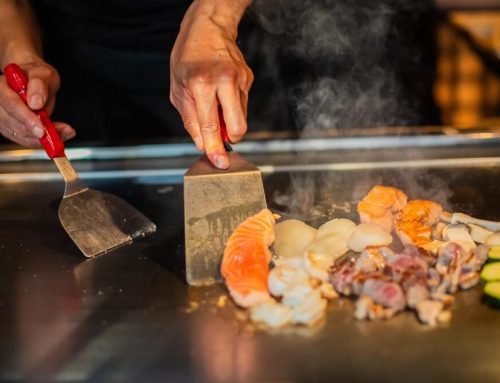
A classic hibachi grill includes a grill grate, a charcoal or wood-burning compartment, and often a teppan. The teppan is a flat iron griddle that allows for versatile cooking methods. These traditional tools have shaped how hibachi is cooked, emphasizing the importance of technique and precision.
Today, while modern materials and technology have enhanced hibachi equipment, the core principles remain the same. Many enthusiasts prefer the authentic experience of using traditional tools, appreciating the skills required to master them. This connection to history adds depth to the culinary experience.
Modern Hibachi Cooking
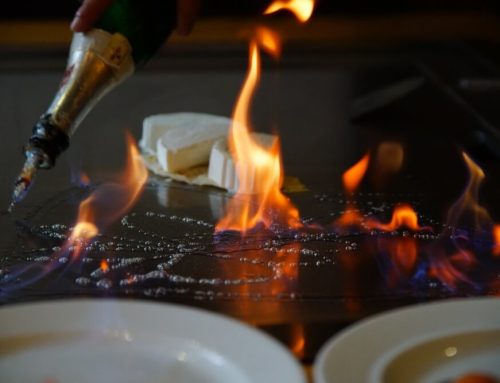
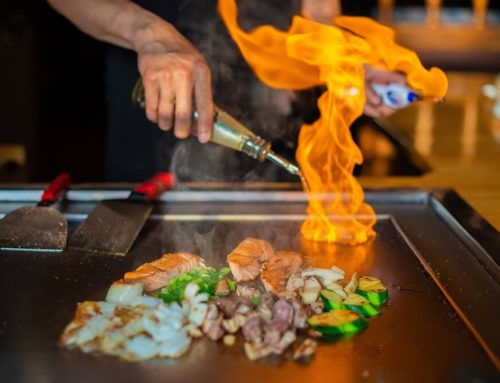
Modern hibachi cooking has taken the world by storm, blending traditional techniques with contemporary flair. Hibachi chefs in restaurants dazzle diners with skillful performances, making cooking a theatrical spectacle. This fusion of food and entertainment has made hibachi a popular dining choice.
One key aspect of modern hibachi is the use of advanced equipment. While traditional grills are still cherished, many establishments now use electric or gas-powered grills for convenience and efficiency. These modern tools offer precise temperature control, ensuring perfect cooking results every time.
Additionally, the ingredients used in hibachi cooking have expanded. While classic dishes remain popular, chefs now experiment with various flavors and ingredients, creating unique and innovative culinary experiences. Despite these changes, the essence of hibachi remains rooted in its rich history and cultural significance.
Popular Hibachi Dishes

Hibachi cuisine offers a diverse array of dishes, each with its unique flavors and cooking techniques. One of the most beloved dishes is hibachi steak, where tender cuts of meat are grilled to perfection and paired with a savory soy-based sauce. The ingredients’ simplicity highlights the meat’s quality and the chef’s skill.
Another favorite is hibachi shrimp. Fresh shrimp are quickly seared on the hot grill, resulting in a succulent and flavorful dish. The shrimp are often served with a side of vegetables, adding a delightful crunch and color to the meal.
Vegetarians are included, too. Hibachi vegetables are a vibrant and healthy option, featuring an assortment of fresh produce like zucchini, mushrooms, and bell peppers. These vegetables are cooked on the grill, retaining their natural flavors and nutrients. The variety of dishes ensures there’s something for everyone to enjoy.
The Hibachi Experience
Dining at a hibachi restaurant is more than just a meal; it’s an experience. You’re treated to a show from sitting down at the communal table. Skilled chefs expertly chop, flip, and grill ingredients right before your eyes, turning the cooking process into an art form. This interactive element makes hibachi dining a memorable event.
The ambiance of a hibachi restaurant adds to the experience. The sizzling sounds of the grill, the aroma of freshly cooked food, and the lively atmosphere create a sensory feast. Diners often find themselves engaged and entertained, making it an ideal choice for social gatherings and celebrations.
Finally, the shared dining experience fosters a sense of community. Sitting around the grill with friends or strangers, everyone enjoys the meal together. This communal aspect is a core part of the hibachi tradition, reflecting Japanese values of togetherness and hospitality.
Enjoy a New Experience
Hibachi is more than just a cooking method; it’s a culinary journey that spans centuries. From its beginnings as a practical heating device to a global dining phenomenon, hibachi embodies the perfect blend of tradition and modernity. Whether you’re savoring a perfectly grilled steak or enjoying the performance of a skilled chef, the hibachi experience delights the senses and brings people together.
Ready to experience the magic of hibachi for yourself? Visit our Hibachi Yume location and discover this timeless culinary tradition’s rich flavors and vibrant culture.



Leave A Comment