
Hibachi cuisine, known for its theatrical preparation and fresh ingredients, is a popular choice for many diners. But for those concerned about maintaining a balanced diet, an important question arises: is hibachi healthy?
This blog will analyze the nutritional aspects of hibachi dishes, exploring the benefits and potential concerns of this beloved culinary tradition.
Health Benefits of Hibachi Ingredients
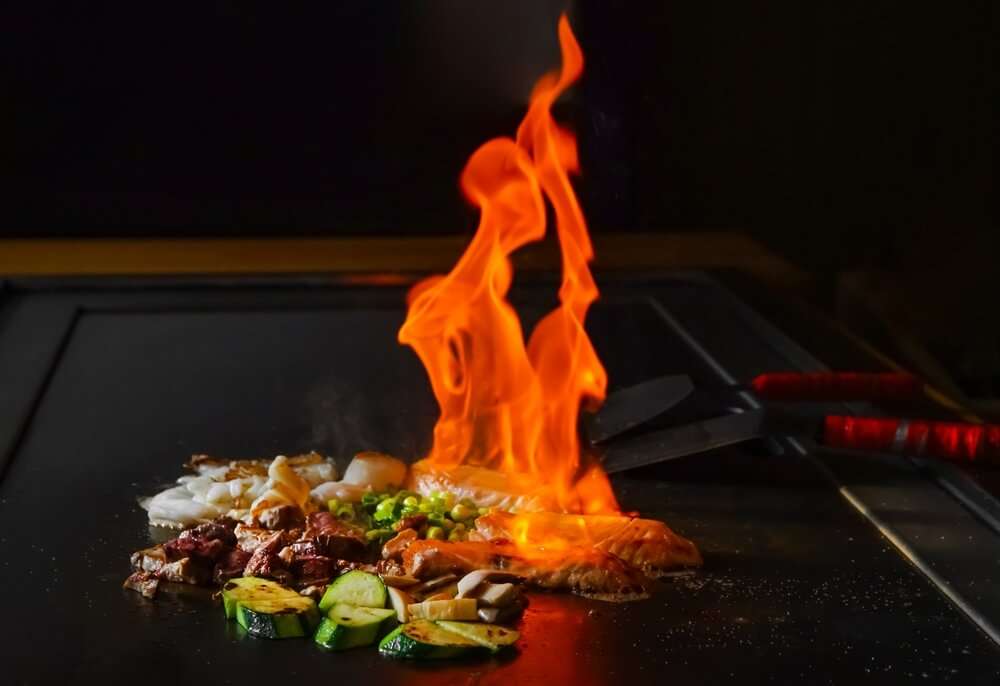
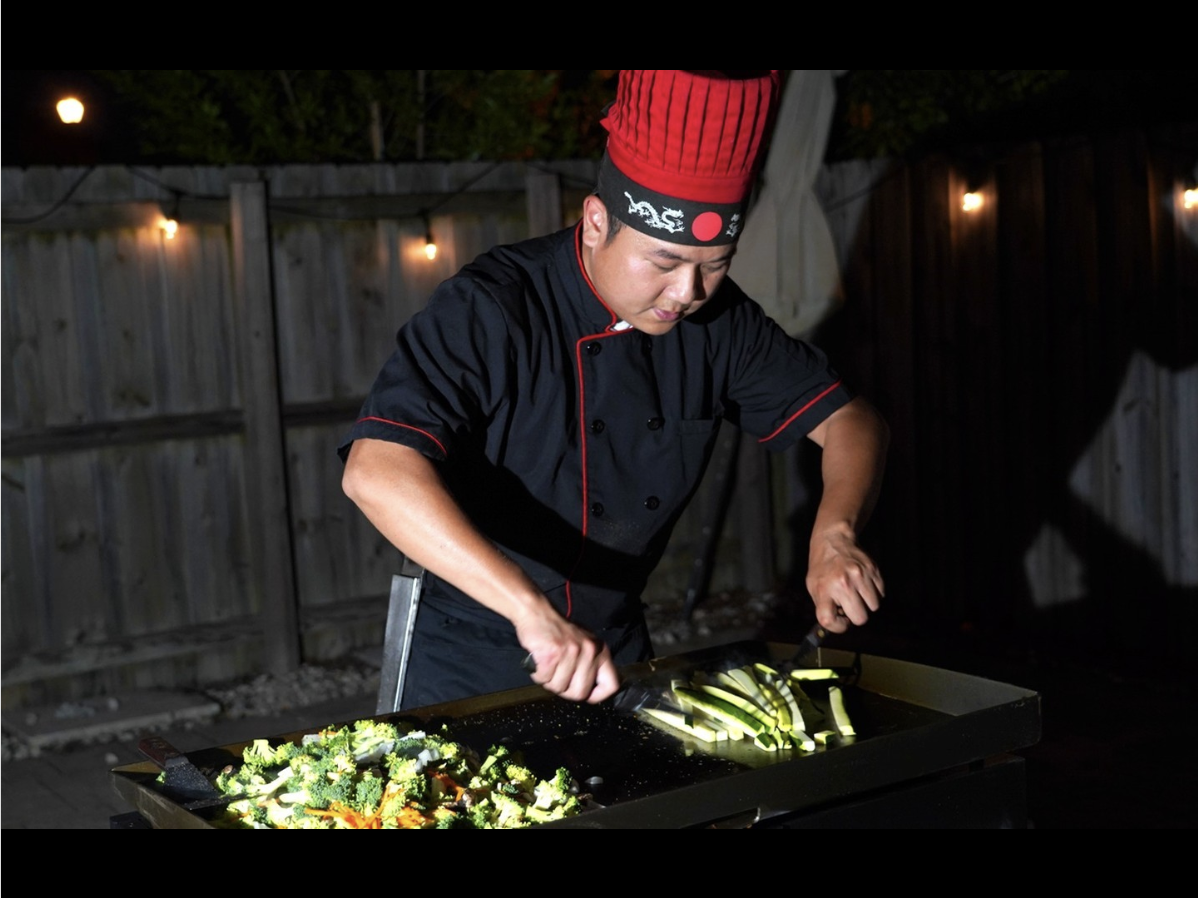
One of the main attractions of hibachi cooking is the use of fresh, whole foods. Typical hibachi ingredients include lean proteins like chicken, shrimp, and steak, as well as an assortment of vegetables such as zucchini, onions, mushrooms, and broccoli. These ingredients are rich in essential nutrients like protein, fiber, vitamins, and minerals.
- Lean Proteins: The proteins used, such as chicken and seafood, are low in fat and high in protein, making them excellent for muscle building and repair. Shrimp, in particular, is a great source of omega-3 fatty acids, which are beneficial for heart health.
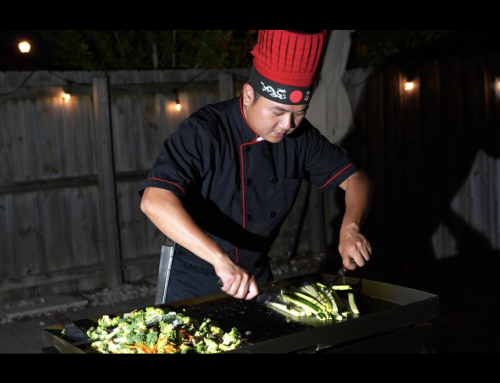
- Vegetables: The vegetables in hibachi dishes are typically stir-fried, which helps retain their nutritional value. Vegetables like broccoli and zucchini are high in vitamins C and K, as well as antioxidants that support overall health.
- Rice: Hibachi dishes often include rice, which can be a good source of energy, especially when opting for whole-grain brown rice. Brown rice provides fiber, B vitamins, and essential minerals, making it a healthier choice than white rice.

Potential Health Concerns
While hibachi offers many health benefits, there are some potential concerns to be aware of, particularly regarding how the food is prepared.
- Sodium Content: One of the primary concerns with hibachi cuisine is the high sodium content. Soy sauce, a staple in hibachi cooking, is often used generously, and it can contribute to excessive sodium intake. High sodium levels can lead to issues like hypertension and cardiovascular problems if consumed in large quantities.
- Oil and Butter: Another factor to consider is the use of oil and butter in hibachi cooking. While some oil is necessary for cooking, excessive amounts can add unnecessary calories and fat to the meal. Butter, in particular, is high in saturated fats, which can negatively impact heart health if consumed in excess.
- Portion Sizes: Hibachi meals are often served in large portions, which can lead to overeating. While the ingredients themselves may be healthy, consuming them in large quantities can result in an unbalanced diet.
Cultural and Dietary Considerations
Hibachi cuisine has deep roots in Japanese culture, where food is often celebrated for its balance, freshness, and presentation. However, the way hibachi is served in Western countries can differ from traditional Japanese practices. For those following specific diets, such as low-sodium or low-fat diets, it’s important to be mindful of how hibachi dishes are prepared.
- Vegetarian and Vegan Options: Many hibachi restaurants offer vegetarian or vegan options, replacing meat with tofu or additional vegetables. These alternatives can provide a balanced and nutritious meal for those avoiding animal products.
- Gluten-Free Choices: For those with gluten sensitivities, it’s possible to request gluten-free soy sauce or avoid sauces altogether. Most hibachi ingredients, such as vegetables and proteins, are naturally gluten-free, making it easier to enjoy a meal without compromising dietary needs.
Experience Hibachi Cuisine
Hibachi cuisine, with its fresh ingredients and flavorful preparation, can be a healthy choice when consumed mindfully. Ready to explore more about healthy dining options? Visit us at Hibachi Yume and enjoy our experience. Contact us today!





Leave A Comment