

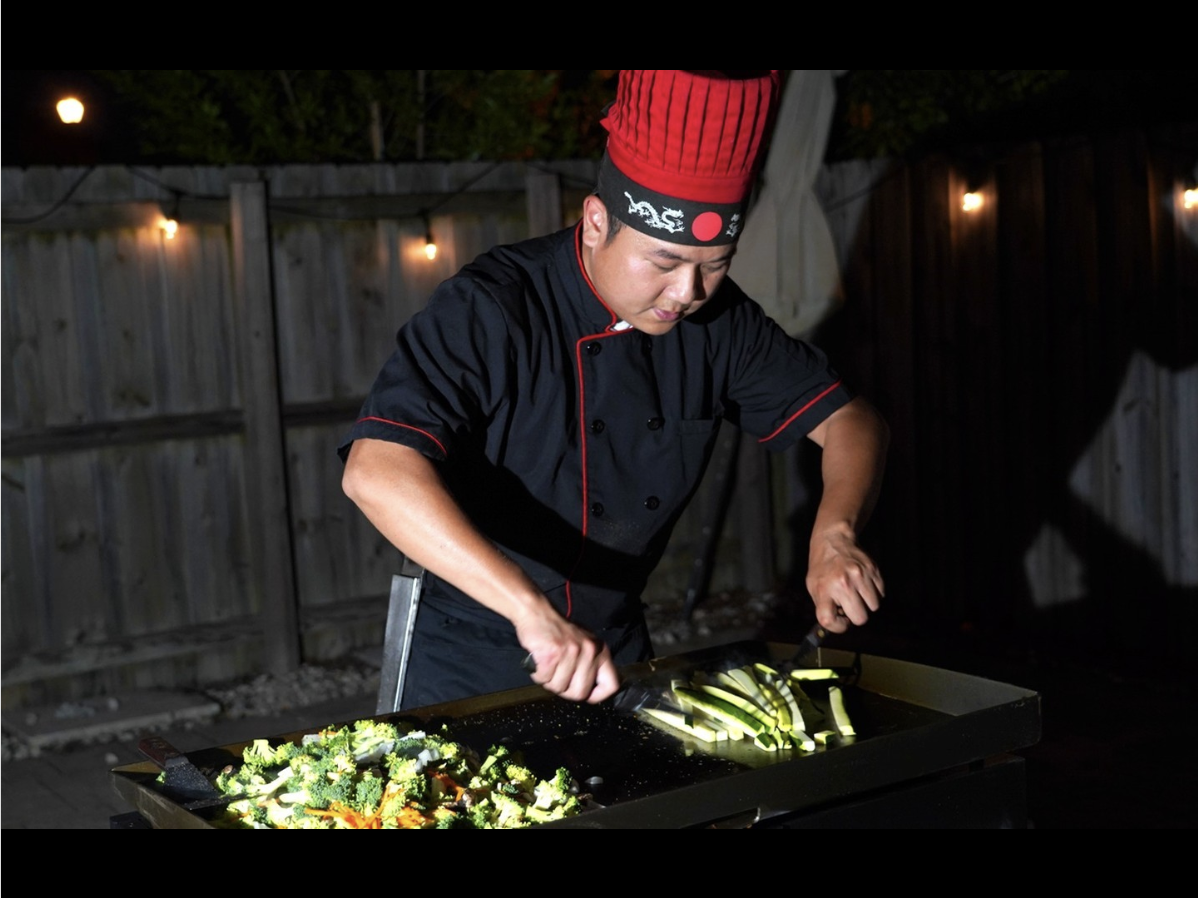
Hibachi is a widely enjoyed style of Japanese cuisine. It sizzles on the grill, boasts bold flavors, and excites you as you watch your food cook right before your eyes. However, if you have gluten sensitivity or celiac disease, you might be wondering, does hibachi have gluten?
The answer depends on several factors, including the ingredients used and how they’re prepared.
Who Should Avoid Hibachi?
Hibachi can be safe for many people, but for individuals with celiac disease or a gluten sensitivity, caution is necessary. Gluten is a protein found in wheat, barley, and rye, and even a small trace can trigger adverse reactions for those who are sensitive. Cross-contamination is possible in hibachi cooking, especially with soy sauce and other sauces that typically contain gluten.
If you have gluten sensitivities, it’s crucial to communicate your dietary restrictions with the chef or restaurant staff. While some restaurants offer gluten-free options, cross-contact with gluten-containing ingredients might still occur, so always double-check before ordering.
What Kind of Rice for Hibachi?
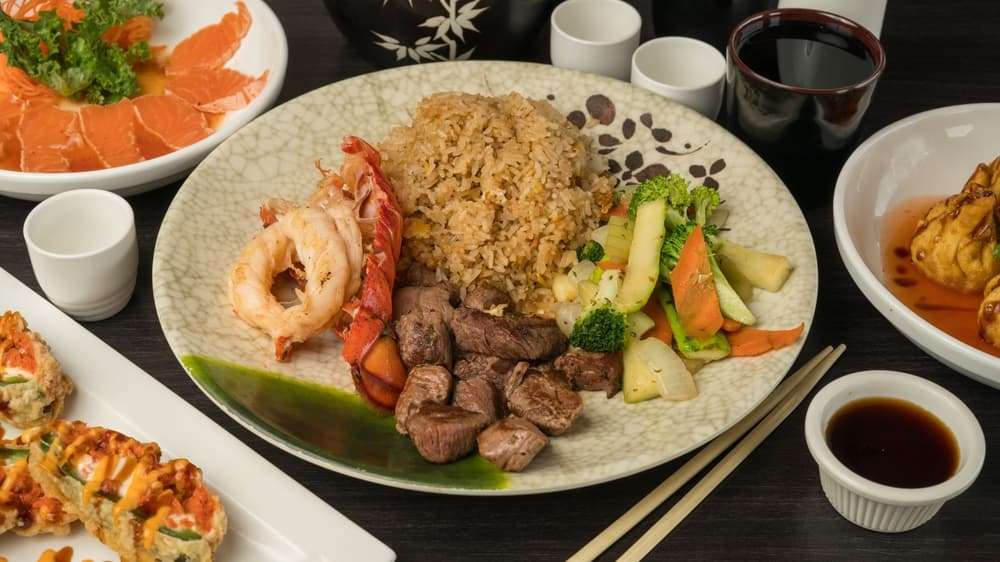
A core element of hibachi meals is rice, often served alongside meats, seafood, and vegetables. Most hibachi restaurants use white rice or fried rice as a base for their dishes, and these varieties are naturally gluten-free. However, the key concern lies in how the chef prepares the rice.
Some hibachi restaurants may use soy sauce or other seasoning mixtures that contain gluten, which can render the rice unsafe for gluten-free diners. To ensure that your rice remains gluten-free, always ask if they prepare it with gluten-free soy sauce or if they cook it with any gluten-containing seasonings.
Many restaurants are happy to accommodate special requests, such as cooking rice without soy sauce or with a gluten-free alternative.
What Are Hibachi Noodles?
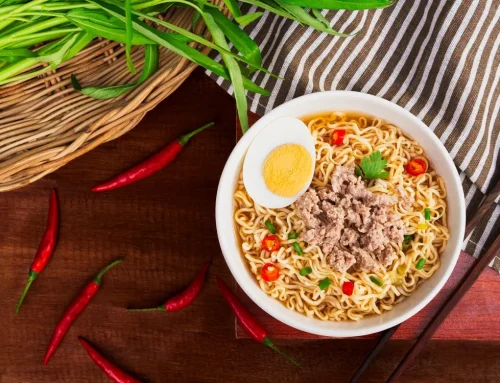
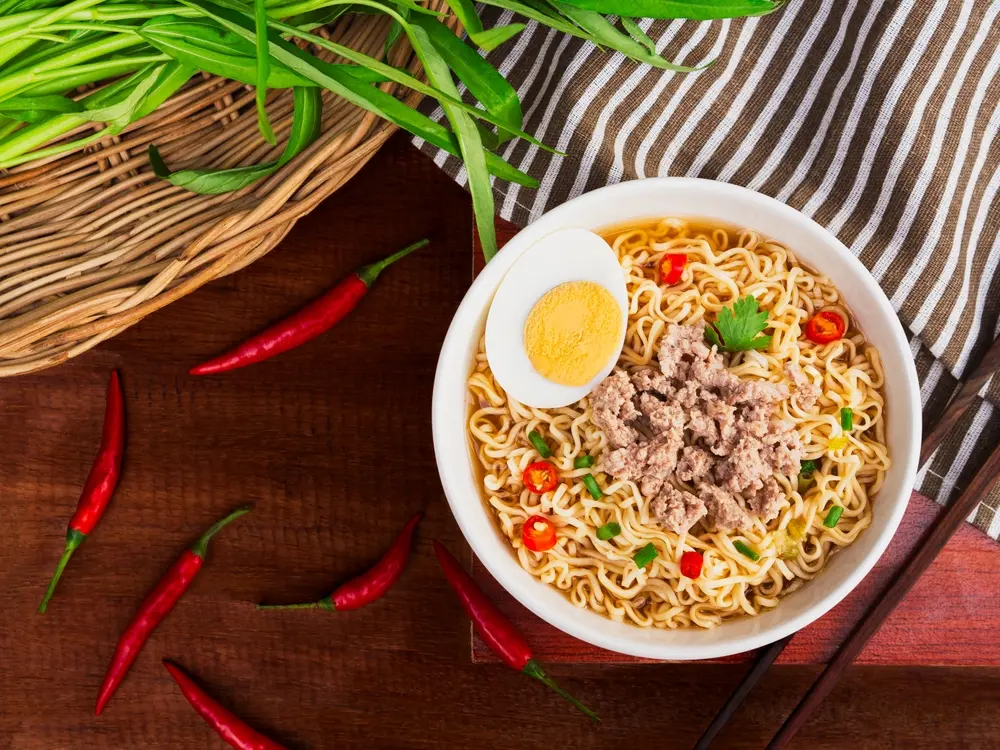
Another common feature of hibachi meals is noodles. What are hibachi noodles typically made from? Wheat flour makes most hibachi noodles unsuitable for those with gluten sensitivities or celiac disease. Wheat traditionally makes up yakisoba noodles, a popular choice in hibachi dishes, which means they are not gluten-free.
If you need to avoid gluten, it’s best to ask the restaurant if they offer a gluten-free noodle alternative. Some hibachi restaurants may provide rice noodles or other gluten-free options, but these are not always available.If the restaurant doesn’t offer gluten-free noodles, you may need to skip the noodles or choose a different dish.
Are Hibachi Noodles Gluten-Free?
For those avoiding gluten, the question are hibachi noodles gluten-free is an important one. As mentioned, wheat is the main ingredient in most hibachi noodles, which means they contain gluten. Unless a hibachi restaurant specifically offers a gluten-free noodle option, it’s safe to assume that the noodles are not gluten-free.
However, don’t hesitate to ask if they can substitute with gluten-free noodles or offer rice noodles instead. If this is not possible, consider enjoying other elements of the hibachi meal, such as grilled vegetables and meats, often prepared without gluten-containing ingredients.
Enjoy Hibachi
Enjoying hibachi while sticking to a gluten-free diet requires some extra care and attention. For those with gluten sensitivities or celiac disease, it’s always safest to ask questions and ensure the chef prepares your meal with gluten-free ingredients.
Ready to try hibachi? Hibachi Yume is prepared to give you a unique dining experience. Contact us today!




Leave A Comment